
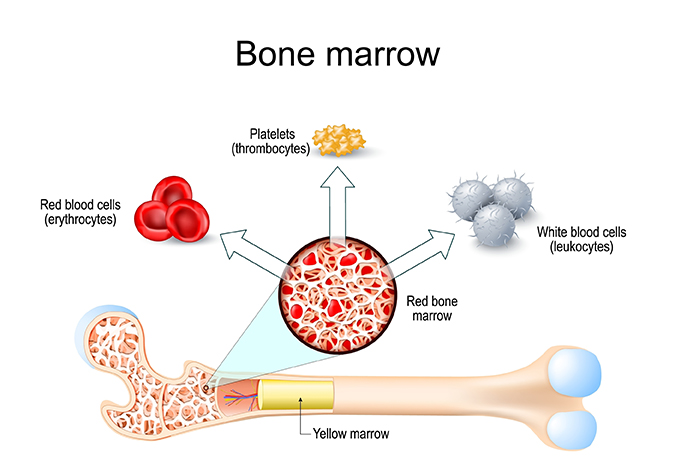
The process of finding a stem cell donor begins when the SA Bone Marrow Registry is contacted by a physician about a patient’s need for a stem cell transplant. The specialised team then swings into action.
- A preliminary search begins on the local database, and failing that, moves on to the international databases.
- These early positive search results are presented to the physician and followed up to find out if any of the possible matches are suitable and available to donate.
- The potential donor/s will be formally contacted, and further tests will be carried out to confirm the match, the health of the donor and willingness to donate.
- All being well, extended and conclusive laboratory tissue typing is carried out.
- Once the donor’s HLA* typing is confirmed as a match with the patient, further confirmation must happen in the same laboratory where the patient’s original HLA typing was performed. (*HLA stands for human leukocyte antigens which are proteins or markers used by your immune system to see which cells belong to your body and which don’t. If not matched, the patient’s immune system will destroy the transplanted stem cells.)
- With everything confirmed, the SABMR coordinates all the logistics of harvesting the donor cells and transporting them to the transplant centre by personal courier within 72 hours of the start of harvesting.
- The final step is the transplant and journey to recovery for the patient. Information about the transplant must be kept confidential for at least three months as a safeguard to anonymity and recovery.
How harvesting stem cells has changed
Before the 1980s, a bone marrow harvest was performed under anaesthetic, with the cells extracted directly from the donor’s pelvic bones. This history lingers on in people’s minds deterring them from registering as donors.
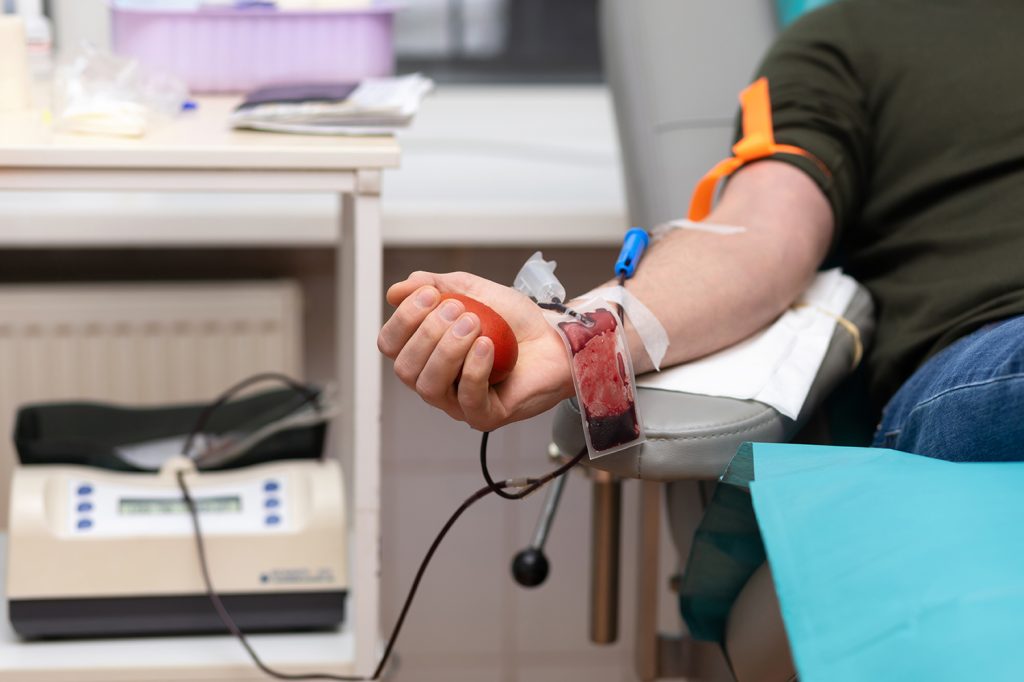
But with the advance of technology, medical researchers found that by a particular process the stem cells could be harvested by filtering them out from a donor’s circulating blood. This is the completely conscious and painless method used today.
From the easy mouth swab identification of a prospective donor, to the actual donation of their stem cells, the process has changed dramatically for the better.